Confidence
*
Confidence *
Confidence is believing you have the right to go for it.
Your child does best when the people around them are all backing the same thing. This month, that thing is confidence.
Confidence is your child backing themselves to do the hard thing when it counts—taking the shot, going past their defender, showing for the ball when the game is tight.
It is not something a kid is simply born with or without. It gets built by doing hard things and holding onto them, so the next time they face something hard, they can tell themselves they have done it before. That matters for how you help. Your encouragement means a great deal to your child, and research on confidence shows how to make it go even further: aim it at the specific thing they did.
Confidence is one of the best things sport can hand your child, and it turns up in more places than you would think. On the pitch, it changes what they are willing to try. A confident kid takes the game on. A kid who is low on it quietly shrinks their game down to the safe version. And it holds up when it counts most, in the last ten minutes of a tight match, not just in an easy drill.
Off the pitch, it travels. A child who learns they can step into a hard moment and cope starts to believe they can handle hard moments in the classroom and in whatever else they take on. That carry-over is real, and it is a big part of why this matters. In one long study of young academy players, confidence was one of only two mental traits that set apart those who reached the professional game. Across the wider research, it is the mental skill most strongly tied to young people doing well.

Your part in it
You are not the coach, and you are not meant to be. On the pitch, your child trusts the coach's voice most on football, and that is exactly how it should be. Your part is different, and just as important.
Your job is to back the person, keep things steady at home, and reinforce what the coach is already building. Your own steadiness is part of it too, because kids read the adults around them, and a calm parent is one a child can borrow calm from.
Here is the honest bit. Nobody gets this right every week, and nobody is asking you to. Two moments carry more weight than the rest: the sideline and the drive home, which is lucky, because they are also the two you are already showing up for. So this is not another thing to get perfect. It is one or two small things, each week, that genuinely help.
The month ahead
Four weeks, one small focus each week. Every week lines up with what the coach and your child are working on, so you always know what you are backing. Across the four weeks, your child builds three small tools they keep for good: their word, their bank, and their replay. The team's phrase for the whole month is "back yourself," the shared version of the word each player picks, and you can use it at home too. The lines in quotes through here are examples to show the idea, so say them your own way rather than read them out.

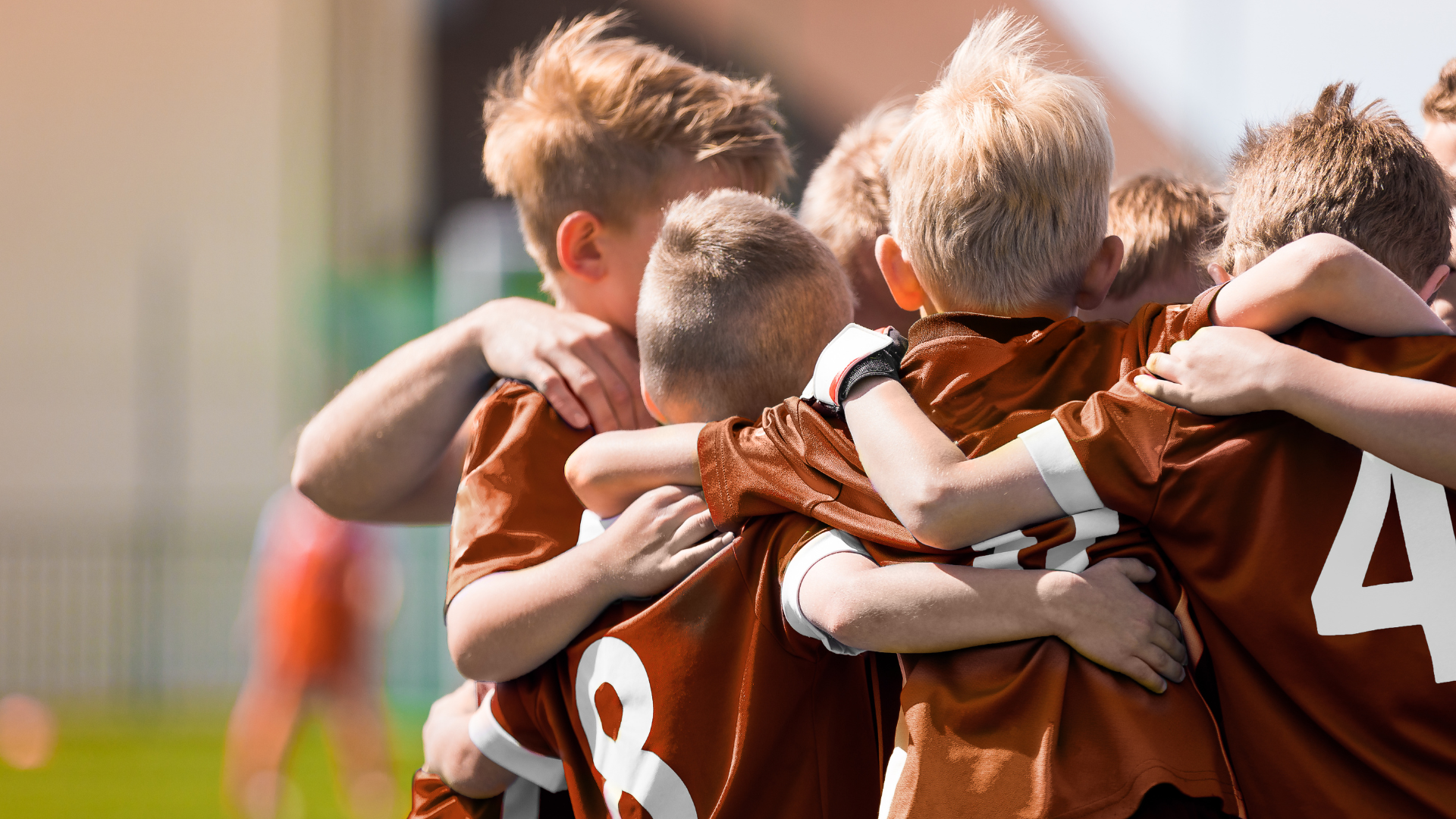
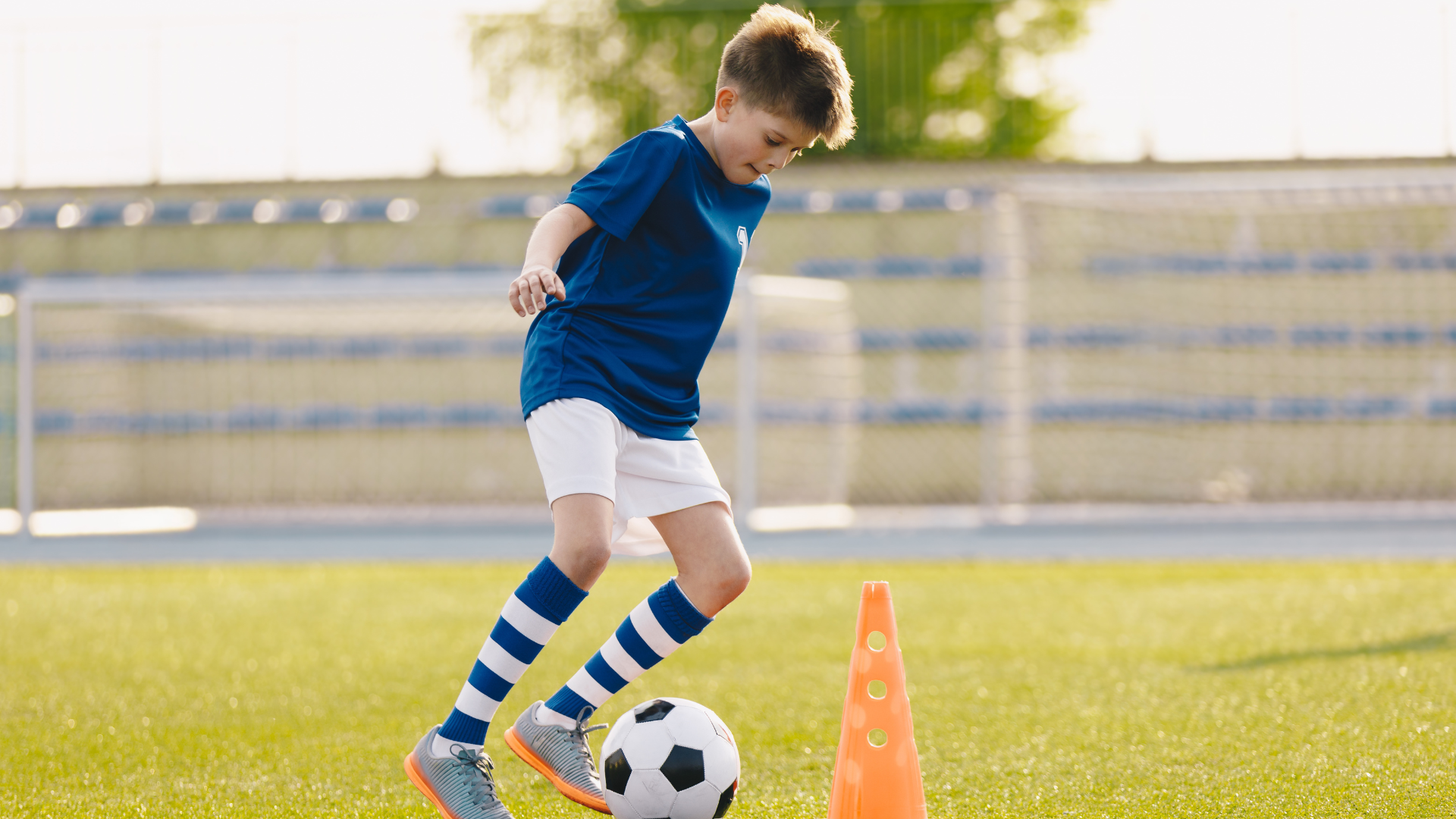

How Confidence is built
Confidence is built from three directions at once, and a young player needs all three. Work all three, and you are building confidence from every side: what they do, what they see, and what they hear.
1. Doing hard things themselves
Trying something difficult, struggling, and getting there. Nothing convinces a player like proof they made themselves.
2. Seeing someone like them do it.
Watching a teammate of similar age and level pull it off - someone like them doing the thing they thought they could not. This is where the team comes in. Belief spreads sideways between players as much as it ever comes down from you.
3. The right word at the right time.
Being told they can, by a voice they trust, about something specific and real they did. This is your part, backing up the proof they are already building.
The parent support principles
A handful of plain things sit under everything. Get these right, and you are doing the job.
Back the person, whatever the score. Your child needs to know your view of them does not move with the result. Win, lose, or have a shocker of an afternoon, and they are the same kid you are proud of.
Leave the football to the coach. Your child gets their coaching at training. At home, you back them and support what the coach is building, rather than adding your own coaching on top. When your message and the coach's clash, a young player sides with the coach, so saying the same thing is worth far more than saying two different things.
The drive home matters more than the match. The car ride is the moment that quietly builds a young player's confidence or chips away at it. Keep it light. If they want to talk, listen. If they do not, leave it.
Make your praise specific. Keep telling them you're proud; it matters more than you think. To turn that praise into fuel for their confidence, add the detail: name the actual thing they did, like "that shot took some nerve." A specific line like that hands them proof they can carry into the next hard moment.
Keep your own head. You cannot help a child stay steady under pressure if you lose yours on the sideline. Your calm is the thing they copy.
If you get it wrong, come back to it. Everyone snaps or over-coaches on the odd day. The repair is simple, and it matters: come back later and say that one was on you. It costs nothing, and it teaches them a lot.
Three myths about Confidence:
Myth 1: “You are either born confident, or you are not.”
The fearless player usually has more proof behind them, not a braver personality. That proof can be earned by anyone who gets the chance.
Myth 2: “Tell a kid they are brilliant and they will believe it.”
General praise gives a warm feeling and not much else. Telling a child they are a natural can even knock them when it gets hard. What moves confidence is celebrating the specific thing they actually did.
Myth 3: “Confidence is something you find in the big moment.”
The moment you need it most- standing over the penalty- is the hardest place to summon it. It gets built in the weeks leading up to it and spent on the day. You do not fill the tank at the penalty spot.