Confidence, Week 2
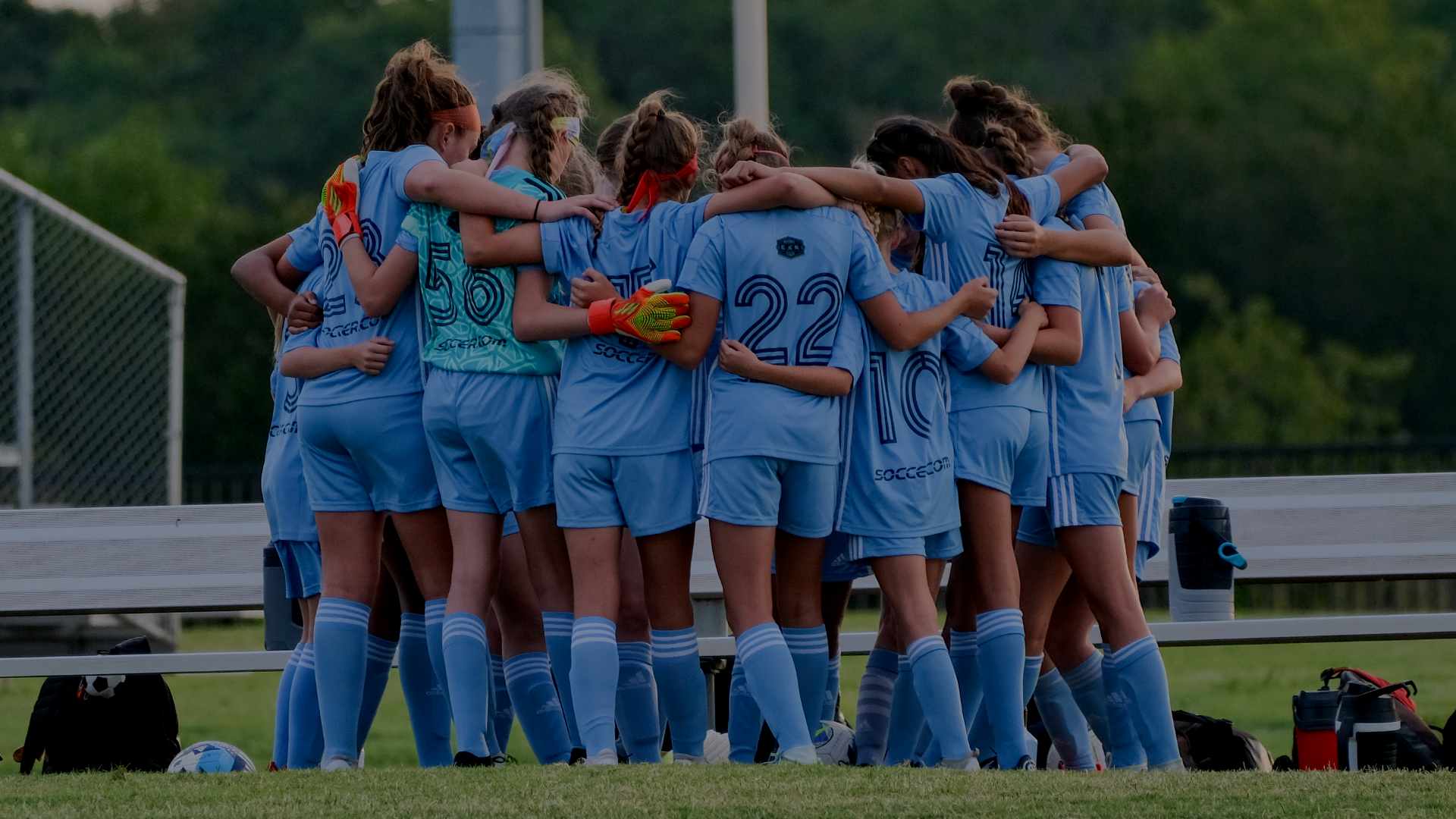
Make it safe for players to try their hard thing and encourage them to back each other up out loud.
Kids only take on hard things when getting it wrong feels safe, and the second right after a mistake is where that gets decided.
Groan or correct, and they stop reaching. Back the attempt, and they keep going for it. You will already know this from your own experience; the point of the week is to do it on purpose.
Here is what the safety is for. The biggest thing that builds a player's confidence is doing a hard thing and getting there. But a kid will only have a real go at something hard if a miss feels cheap. So this week, you are not turning up the difficulty yourself; that comes later. You are making it safe enough that they go for their own hard thing, the one they claimed last week, and backing them when they do.
The Practice
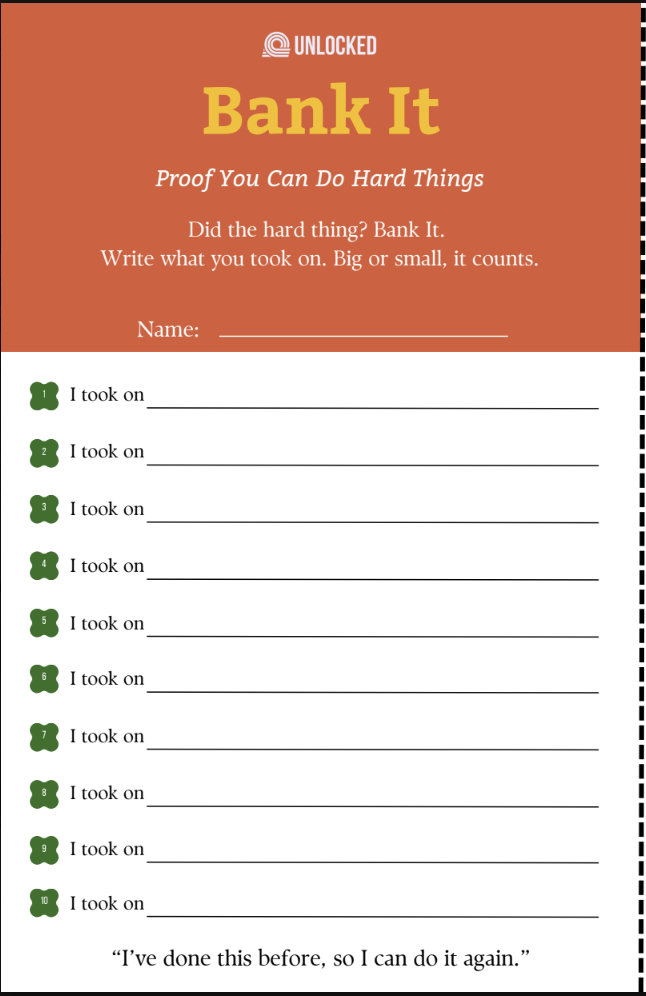
This week is when you hand the players the first practise of the month, Bank It. This is how a player catches each hard-won go and keeps it, so it becomes proof they can look back on. A go is worth banking when it was a genuine stretch, their one thing under a bit of pressure. The safe stuff they can already do does not need banking. Keep the introduction light. You are not running a workshop, just naming it and getting a rep or two in.
It is one move. Every time they go for their hard thing, they bank it: a quick mark on their card and a note of what they did. Each mark is proof they did it, and the card becomes a growing record they can look back on later.
Get a few reps in across the week, low to high. Bank a go in a simple drill early on, then build to banking one under real pressure in a game situation later in the week. Point them to the Bank It card; their parents have it too, so it gets backed at home as well.
Coaching Strategies
Challenge the team to back each other out loud, then guard the safe-to-fail feeling all week.
Open the week the same way you opened the month, by putting a challenge to the team. Last week each player picked their one thing. This week the job belongs to all of them: back each other when someone goes for it.
This matters more than it looks. Belief spreads sideways between players far more than it comes down from you, so a team that backs each other out loud is a team where everyone keeps reaching. You are not the only voice making it safe this week. You are getting the whole squad to make it safe for each other.
Once the challenge is set, your job is to protect it. Watch how the group reacts in the moment right after a miss, because that reaction is what tells everyone whether it is really safe to keep trying.
What to look for
Who retreats to what they can already do after a miss, and who keeps reaching.
Who is still going for it late in the session, and who has gone quiet.
How teammates react to a mistake, a groan or a bit of backing.
How to respond
Brave miss, clap it, "go again," and move on fast so it is a non-event.
Goes quiet after failing, quietly back their next attempt, however small.
A teammate groans at a mistake, redirect it: "Who's backing him?"
A player backs a teammate without being asked, call it out; that is exactly the week's job.
What to say
Back the act of going for something hard, whoever it is, whether or not it came off.
Catch the players who back a teammate and make a thing of it, so backing each other becomes the norm.
"Good, go again. Going for it is the bit that counts."
Drill Design
The aim this week is to make failing cheap so that a kid will risk the hard thing. You know your sessions better than we do, so use whichever of these fits what you already had planned. What you are after is the volume of tries rather than the perfect ones.
Ideas to Borrow
Take the score or the winner off, so nothing is lost by missing.
Speed the reps up, so a miss is quickly buried under the next go.
Keep groups small, so no one is stood watching and exposed.
Allow a redo. The first one does not count.
Drills that suit it
Rondo, where mistakes are constant and cost nothing, the ideal safe-to-fail environment.
Continuous or rapid-fire finishing, loads of reps, a miss gone in two seconds.
1v1 to goal, score off; reps of going for it with no winner or loser.
Dribbling gates or ball mastery, guaranteed reps and easy wins for the kid who needs a safe one first.
On match day
Back the Brave Miss
This week the match-day move is about you on the touchline, not the players. A game throws up mistakes on its own. The test is what you do in the second after one. Kids read the sideline constantly, and it is the loudest signal of whether it is safe to try. A brave miss that gets a groan or hands on head tells the whole bench to stop reaching. So watch your own reaction as much as theirs; the sigh says more than the sentence. A brave mistake gets a nod and a "next one," not a wince.