Confidence
*
Confidence *
Confidence is believing you have the right to go for it.
It is not a mood or a personality trait. It rises and falls with what a player goes through, and that is the whole reason it can be trained. A player builds it by doing hard things and holding onto them, so that the next time they can tell themselves they've done it before. You, the coach, create the moments where they earn it. A lot of this you may already do by feel. This month is about doing it on purpose.
The weeks ahead
We’ll focus on Confidence over the next four weeks. You’ll get coaching strategies and ideas for shaping your drills.
We won’t tell you how to coach. What follows is a set of strategies for putting Confidence to work inside the football training sessions you already run, so take the bits that fit your needs and leave the rest. It only really lands when you make it your own, which is why the lines in quotes throughout are examples rather than words to read out.

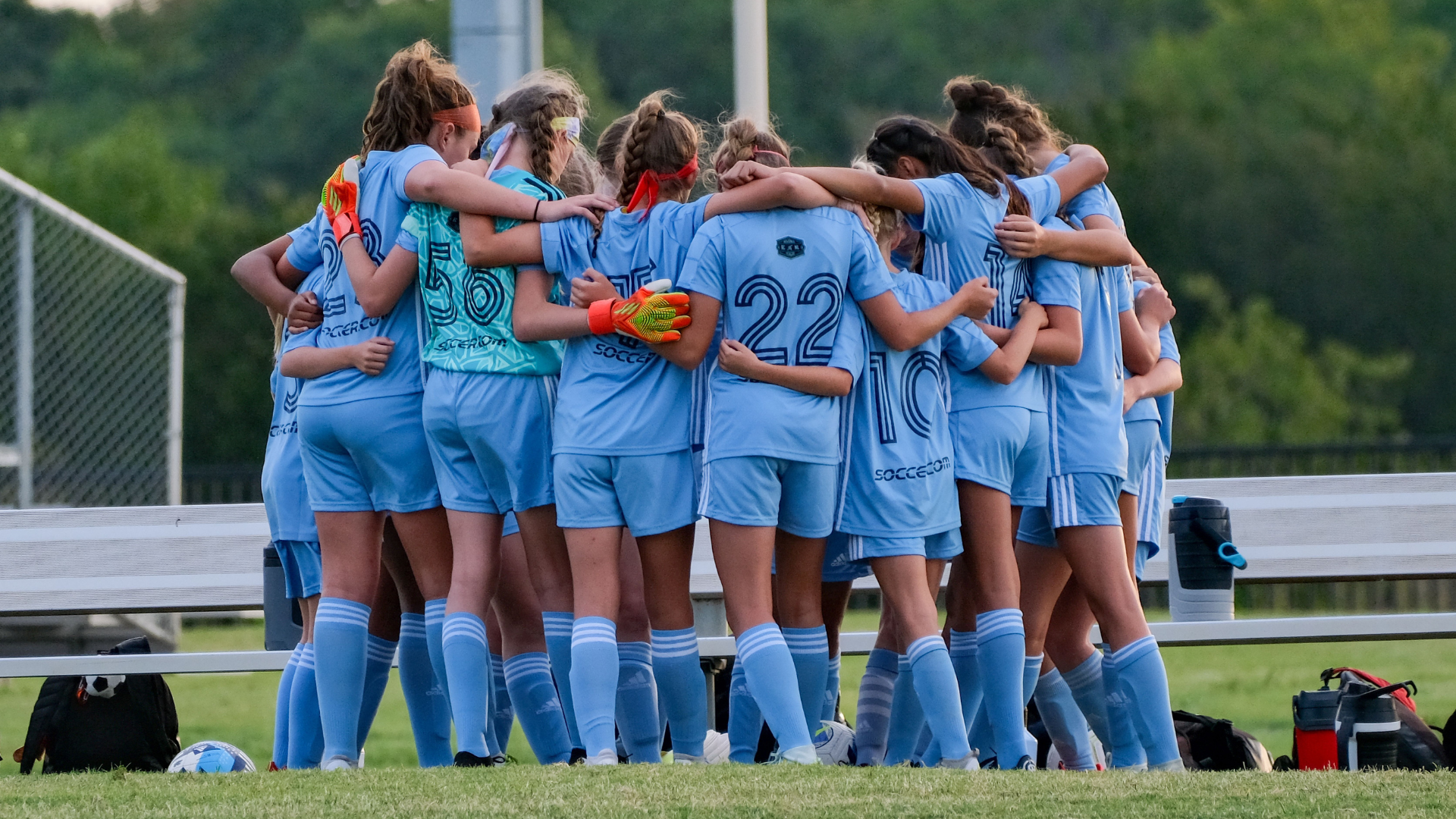


How Confidence is Built
Confidence is built from three directions at once. Work all three, and you are building confidence from every side: what they do, what they see, and what they hear.
1. Doing hard things themselves.
Trying something difficult, struggling, and getting there. Nothing convinces a player like proof they made themselves. This is the player's own part, earned in the reps you set up for them.
2. Seeing someone like them do it.
Watching a teammate of similar age and level pull it off - someone like them doing the thing they thought they could not. This is where the team comes in. Belief spreads sideways between players as much as it ever comes down from you.
3. The right word at the right time.
Being told they can, by a voice they trust, about something specific and real they did. This is your part, and the parents' too, backing up the proof they are already building.

Your part in it
You are the most trusted voice your players have on the football field, and you are the one who sets the focus everyone else lines up behind. When it comes to confidence, you're the one who matters most.
The good news is that you are almost certainly already doing something similar. Plenty of good coaches build the person alongside the player without ever calling it that. This month is about taking what you already do by feel and doing it on purpose, engineering the moments where a player earns their belief and naming it when they do.
Your players will not build this on their own, and this part of it starts with you, in the session and at the end of the game. You set the focus, you back the brave attempts, and you catch the wins. That is the part only you can play.
Confidence Coaching Principles

The challenge sits just beyond reach.
If they manage it every time, it is too easy. Aim for success about four times in five.

Name the specific thing they did.
"That was a proper defender's header" builds confidence. "You're great" does not. Point at what they actually did.

It has to feel safe to try and fail.
Back the brave attempt that does not come off, and a player keeps going for hard things. Groan at it once, and they learn to play safe.

Proof beats a pep talk.
You cannot talk a player into belief. You build the reps where they earn it, and then the words have something true to stand on.
Three myths about Confidence:
Myth 1: “You are either born confident, or you are not.”
The fearless player usually has more proof behind them, not a braver personality. That proof can be earned by anyone who gets the chance.
Myth 2: “Tell a kid they are brilliant and they will believe it.”
General praise gives a warm feeling and not much else. Telling a child they are a natural can even knock them when it gets hard. What moves confidence is celebrating the specific thing they actually did.
Myth 3: “Confidence is something you find in the big moment.”
The moment you need it most- standing over the penalty- is the hardest place to summon it. It gets built in the weeks leading up to it and spent on the day. You do not fill the tank at the penalty spot.
A ten-year study of academy players found that confidence was one of only two mental skills that predicted who would turn pro.
Confident players ask for the ball in tight areas, go for the shot when the safe pass is on, and step in to press. A player low on confidence quietly shrinks their game to its safe version. And it shows up most in the last ten minutes of a tight match, not in an easy drill, which is exactly when you need it.
It does not stay on the pitch, either. A kid who learns they can step into a hard moment and cope starts to believe they can handle hard moments anywhere, in the classroom and beyond. That is the whole promise of sport, and confidence is where it starts.
Resources