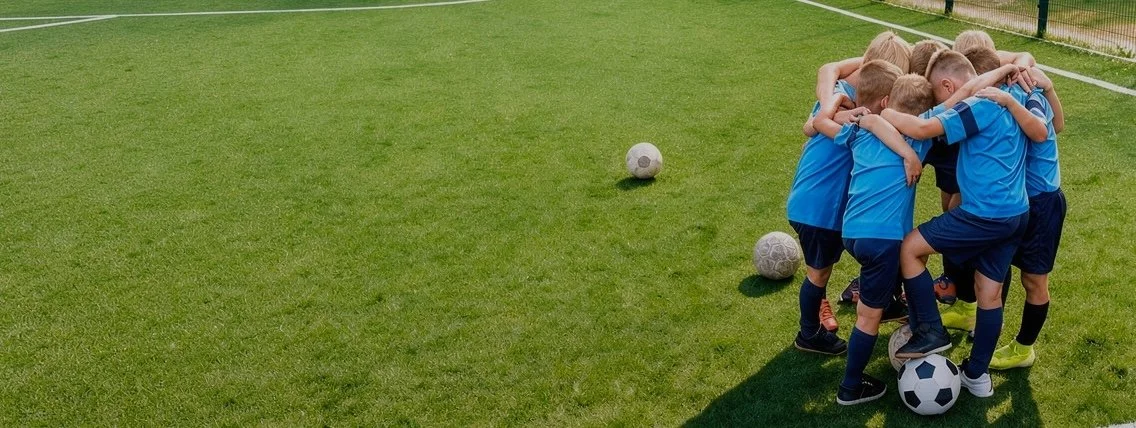
Composure,
Week 2
Each player turns what they noticed into a plan, and the team understands how composure impacts the group.
This week players learn that their reactions affect the whole squad, and make a plan for the moment their trigger hits.
When one player loses their head, everyone pays for it, on the scoreboard and in how safe the pitch feels for the rest of the group.
It works the other way too. Players who feel safe are far less likely to lose their heads in the first place, so a squad that looks after each other is already doing the most important part of the work.
That shared responsibility starts with each player having a plan. A plan made in advance works better than a decision made in the moment, because once a player is wound up, the “diplomatic” part of the brain has much less say in what they do. So this week each player creates a plan to come back to when they feel a trigger, giving them something ready to use when the moment arrives.
Coaching Strategies
At the start of your first session this week, take five minutes before your warm-up to talk to the team.
Explain the idea first: “When one of us loses their head, the whole team pays for it. So this week we’re picking a team word, one word we can say to a teammate who’s starting to go, to remind them to stay steady.”
Then ask the squad for suggestions and take a quick vote. The word needs to be short enough to shout mid-play. If a suggestion could easily be turned into a dig, steer them towards another one. Once they’ve picked it, tell them when to use it: “When you see a teammate starting to go, say it.”
What to look for
Whether the team word comes from a few voices or the whole squad.
How a player reacts when they hear it, whether they get back into play or bristle at it.
Whether the motto is used to help a teammate or as a dig.
Moments when a teammate is starting to go, and nobody uses it.
What to say
When a player stays steady after a bad moment:"That one could have wound you up, and you stayed in it. Well done."
When a teammate uses the call well:"Good call. You saw him starting to go and you helped him stay in it."
When a player uses the motto to wind someone up, say in the moment: “That word is for looking after each other. Use it that way.”
How to respond
When a player stays steady after a bad moment, name it so the squad sees it.
When a teammate uses the team word well, praise them for it in front of the group.
When a player uses the motto to wind up or pick on a teammate, step in straight away, every time.
Drill Design
Ideas to Borrow:
Keep the same teams for the whole session, so players feel responsible for each other.
Remind the group of the team word at the start and have everyone say it once, so it feels normal to say it out loud.
Give one player in each team the job of using the team word, and rotate it.
At the water break, ask each team to name a teammate who stayed steady.
Drills that suit it:
Small-sided games with the bonus-point or dropped-point rule.
Team rondos, where two groups compete and every lost ball counts against the whole group.
Team relays or challenges where a mistake costs the team time, and the team can win some of it back by using the call and resetting quickly.
A 4v4 possession game with two neutral players, where the nearest teammate uses the call after a lost ball, and play continues straight away.
A team keep-ups challenge, where the group counts its total touches and says the call together before restarting after a drop.
Shooting practice where every finish counts towards one squad total.
On match day
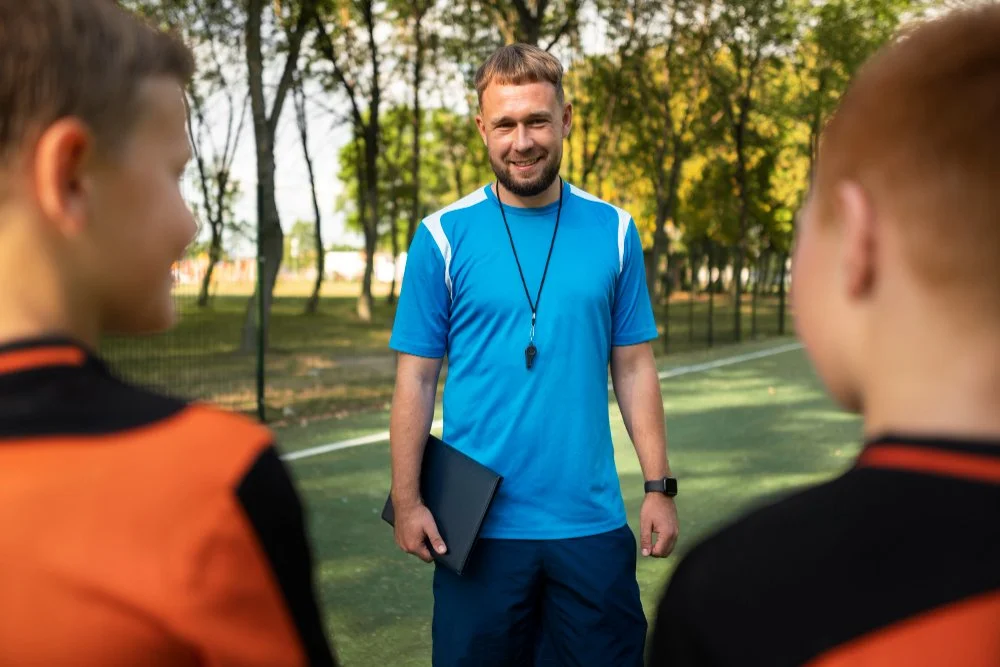
Name a Steady Head for the match.
Before kick-off, give one player the role of steady head. Their job is to use the team word when they see a teammate starting to lose their head. Rotate the role each match so that every player has a turn, including quieter players who wouldn’t normally be a voice on the pitch. Keep Brave of the Match going at the final whistle.
“Today [name] is our steady head. If they see any of us starting to go, they’ll use the team word, and when they do, listen to them.”
The Player’s Practice:
“If This, Then This”
Last week, players looked at the moments in a match that tend to wind them up and noticed how their bodies react. This week they turn that into a plan, using a short digital homework assignment they complete on their parents’ phone.
The plan comes down to finishing one sentence. If this sets me off and my body does this, then this is what I’ll do next. It is a next step small enough to do in the very next second, ending with something they do on the pitch, such as “then I breathe out slowly and get goal-side.”
At the end, they save their plan as a PDF to look back on whenever they like. The plan belongs to them. Some players choose to share it, and others might want to keep it to themselves, and both are fine.